When a character meets their demise
RpgMeister is a game of dangerous, adventurous lives. Sometimes a hero does not walk away. How you handle that moment — at the table and after — is one of the most important jobs you have as a game master.
The one thing to avoid: the TPK
A total party kill — everyone down, nobody left standing — does not end a character. It ends the campaign. The story has nowhere to go except "roll new heroes and pretend the last twenty sessions didn't happen."
That is almost never what anyone wanted from the evening.
You can see a TPK coming long before the dice finish the job: the party is cornered, out of healing, fighting something they were warned about and ignored. When you feel that squeeze, you have options that are not "let the math run its course":
- Telegraph harder. They heard the dragon before they saw it. Make sure they know what "too much" feels like.
- Offer a door. Retreat, surrender, a collapsing tunnel, a rival who wants prisoners more than corpses.
- Escalate in stages. Warnings, wounds, a named NPC dragged off alive — give the table time to change course.
Danger should be real. Annihilation should be rare.
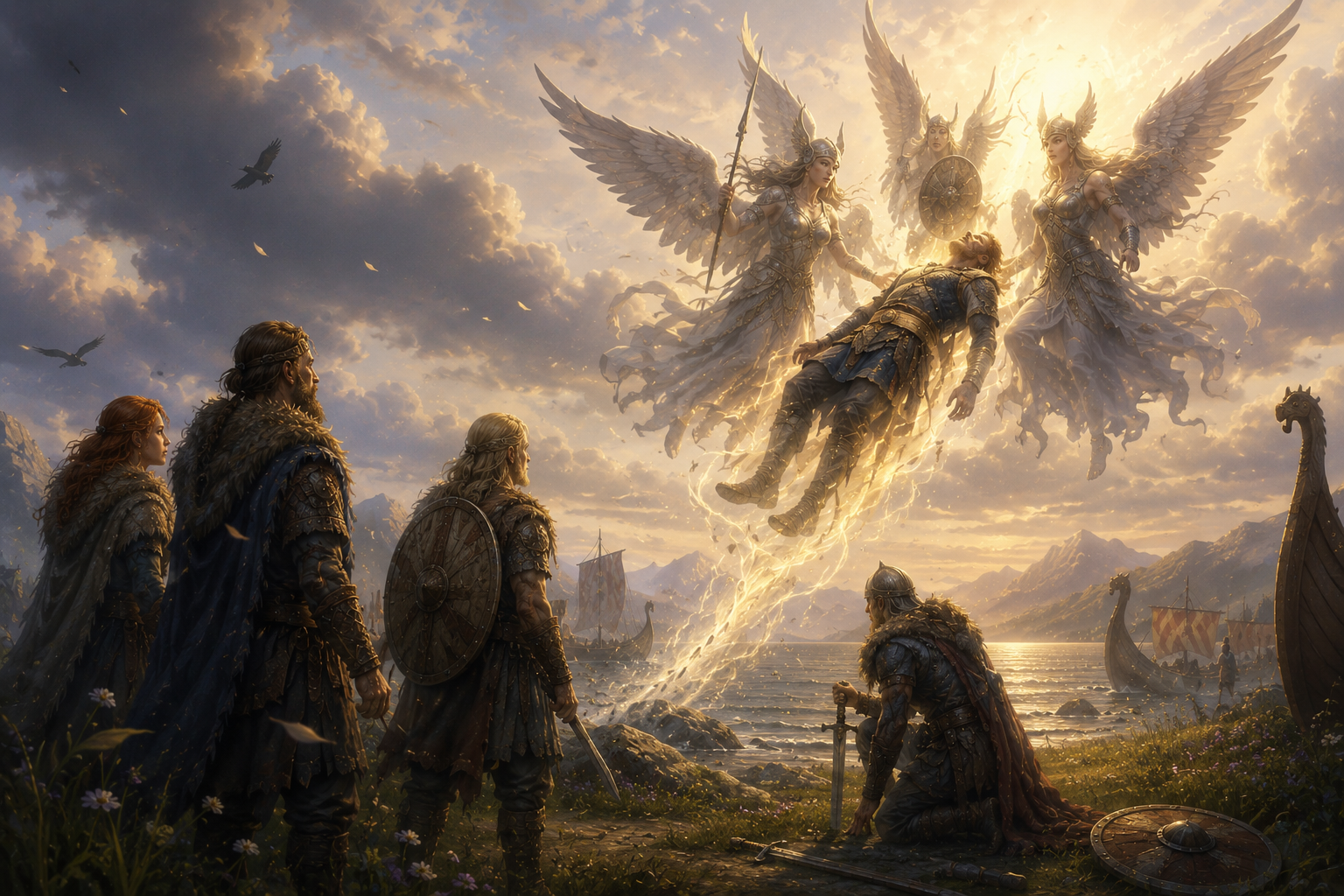
Death should mean something
Losing a character is traumatic for the player. They have lived in that skin for weeks or months — made choices, earned points, survived close calls. When the end comes, it must not be a shrug and a dropped die.
Give it weight:
- A last stand. "You hold the bridge. Run." Everyone at the table knows what that costs.
- A sacrifice. Pushing a comrade clear of the blast. The roll was not random cruelty; it was a choice.
- A name remembered. The village names a lane after them. An NPC mentions them three sessions later. The world noticed.
Pause. Let the player speak if they want to. Do not rush to "okay, who's next?" The fiction deserves a breath before the mechanics move on.
Under the hood, serious harm starts when Body drops below zero — unconscious, then worse without help. See Damage, armour & recovery for the numbers; you decide when "worse" becomes final.
Prefer capture over the grave
When the party bites off more than they can chew, not everyone has to die to prove the fight mattered. A few may pay the ultimate price. Most should end up somewhere survivable and story-rich:
- Prisoners, ransomed or awaiting rescue.
- Left for dead and found by strangers with their own agenda.
- Indebted to the thing that beat them — a favour owed, a mark carved, a geas whispered.
- Maimed, scattered, stripped of gear, crawling home through the rain.
Defeat is a plot hook, not a full stop. The players lose the fight; they do not necessarily lose the campaign. A rescue mission, a prison break, or a humiliating return to town can carry more drama than a clean wipe.
Softer stakes when the table is small
A four-player table can absorb one death and keep rolling. A two-player table — or a one-on-one game — cannot always afford the same math.
When you are starting out, or the group is small, it is perfectly fine to let each player run two characters, or even more in a very tight group. Not because death doesn't count, but because one bad evening should not empty the table. The spare character steps forward; the story continues.
Say this up front in session zero. Players who know the safety net exists worry less and play bolder — which is usually what you want.
When a veteran falls
A hero who has survived many adventures and banked dozens of character points has earned more than a level-one stranger with a borrowed sword. Letting that player start from zero can feel like punishment for showing up every week.
It is reasonable — generous, even — to let them build a replacement character with some of those points carried over. Not all of them. Not a photocopy of the old sheet. Enough that the newcomer can join the party as a useful member instead of a liability everyone has to babysit through the next arc.
A rough guide many tables use:
- Half to two-thirds of the fallen hero's unspent plus earned points, applied to the new build.
- Different strengths. The replacement should feel like a new person, not a respawn.
- Fiction first. A cousin arrives. A student finishes what the master started. The guild sends a replacement. The points follow the story.
Points spend the same way as always — see Character-point awards for how growth works in play. The carryover fraction is your ruling, not a rule in the book.
How this works in the app
RpgMeister does not flip a "dead" switch on a character sheet. Death is a fiction and GM decision — you and the table agree the hero is gone, and you move on from there.
The practical workflow:
- The player builds a new character in the editor (with whatever point budget you agreed).
- They add the character to their player campaign and use Send to GM, or export to the clipboard with Export for GM.
- You import them into the campaign party — via the Incoming queue or Import (clipboard). Same collision flow as any other roster change. See Parties in the Campaign Guide.
The fallen hero's sheet can stay on the player's device as a memorial, or be archived however your table prefers. The campaign moves forward with who is still in the story.
See also
- Do's and don'ts — combat, danger, and pacing at the table.
- Damage, armour & recovery — Body, unconsciousness, and healing rates.
- Character-point awards — how heroes grow between sessions.
- Parties — importing a replacement into the campaign.
- GM overview — back to the starting point.